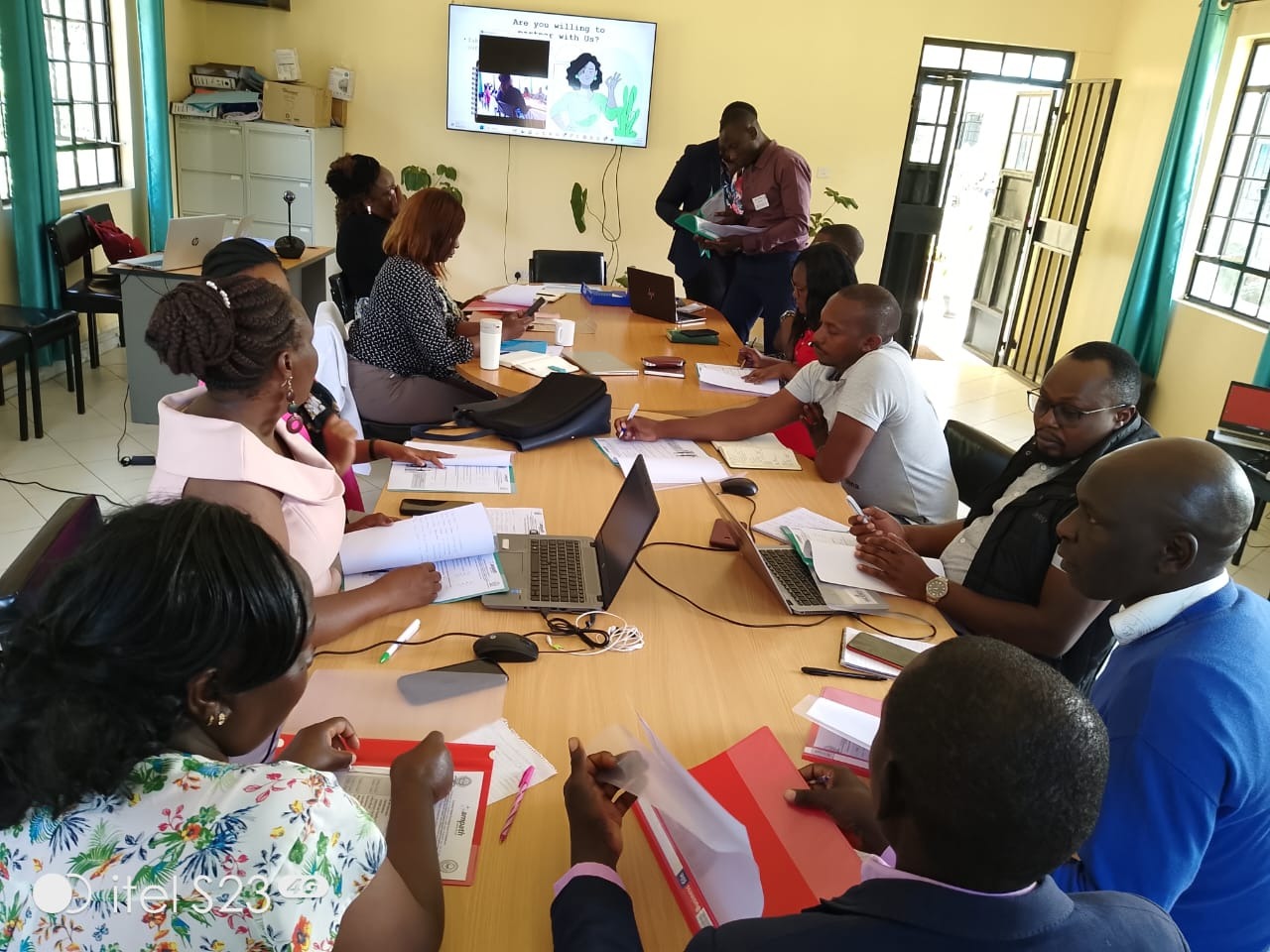
At the heart of sustainable recovery lies dignity, purpose, and the opportunity to rebuild lives. The recent benchmark visit by the Women Development Fund (WODEF) to the AMPATH AYAM Recovery Center offered a powerful demonstration of what happens when recovery goes beyond treatment and embraces empowerment.
The visit focused on a unique, client-led income-generating initiative within the recovery center, an approach that is redefining how rehabilitation programs can foster long-term independence and resilience.
From Recovery to Responsibility
What stood out most during the visit was the active role that fully recovered clients are playing in driving their own progress. These individuals are not only beneficiaries of the recovery process but have become leaders and innovators within the center. They are producing and managing their own products, transforming skills learned during recovery into practical, income-generating activities.
This initiative is more than just an economic activity. It is a pathway to restoring confidence, rebuilding identity, and strengthening social reintegration.
A Model of Sustainability
The client-led enterprise model observed at the AMPATH AYAM Recovery Center highlights a critical shift in recovery programming: moving from dependency to self-reliance. By equipping clients with entrepreneurial skills and giving them ownership over production and management processes, the center is ensuring that recovery is both meaningful and sustainable.
The products developed, crafted and managed entirely by the clients, serve as tangible proof of their journey. Each item reflects not only creativity and effort but also resilience and transformation.
Lessons for Community-Based Organizations
For WODEF, this benchmark activity provided valuable insights into how community-based organizations can integrate economic empowerment into their programs. It reinforced the importance of:
- Embedding livelihood opportunities within recovery and support services
- Promoting client ownership and leadership
- Linking rehabilitation efforts with real-world economic participation
- Building systems that support long-term sustainability beyond program timelines
Proof That Recovery Works
Perhaps the most powerful takeaway from the visit is the clear evidence that recovery works and that it works best when individuals are trusted, empowered, and supported to take charge of their own futures.
The MTRH AMPATH AYAM Recovery Center stands as a living example that with the right support structures, individuals can transition from vulnerability to productivity, and from dependence to leadership.
Looking Ahead
WODEF remains committed to learning from such impactful models and adapting these lessons into its own programming. By integrating client-led approaches and income-generating initiatives into community interventions, WODEF aims to strengthen pathways for young women and vulnerable groups to not only recover but thrive.
Recovery is not the end of the journey. It is the beginning of a new chapter, one defined by opportunity, agency, and hope.