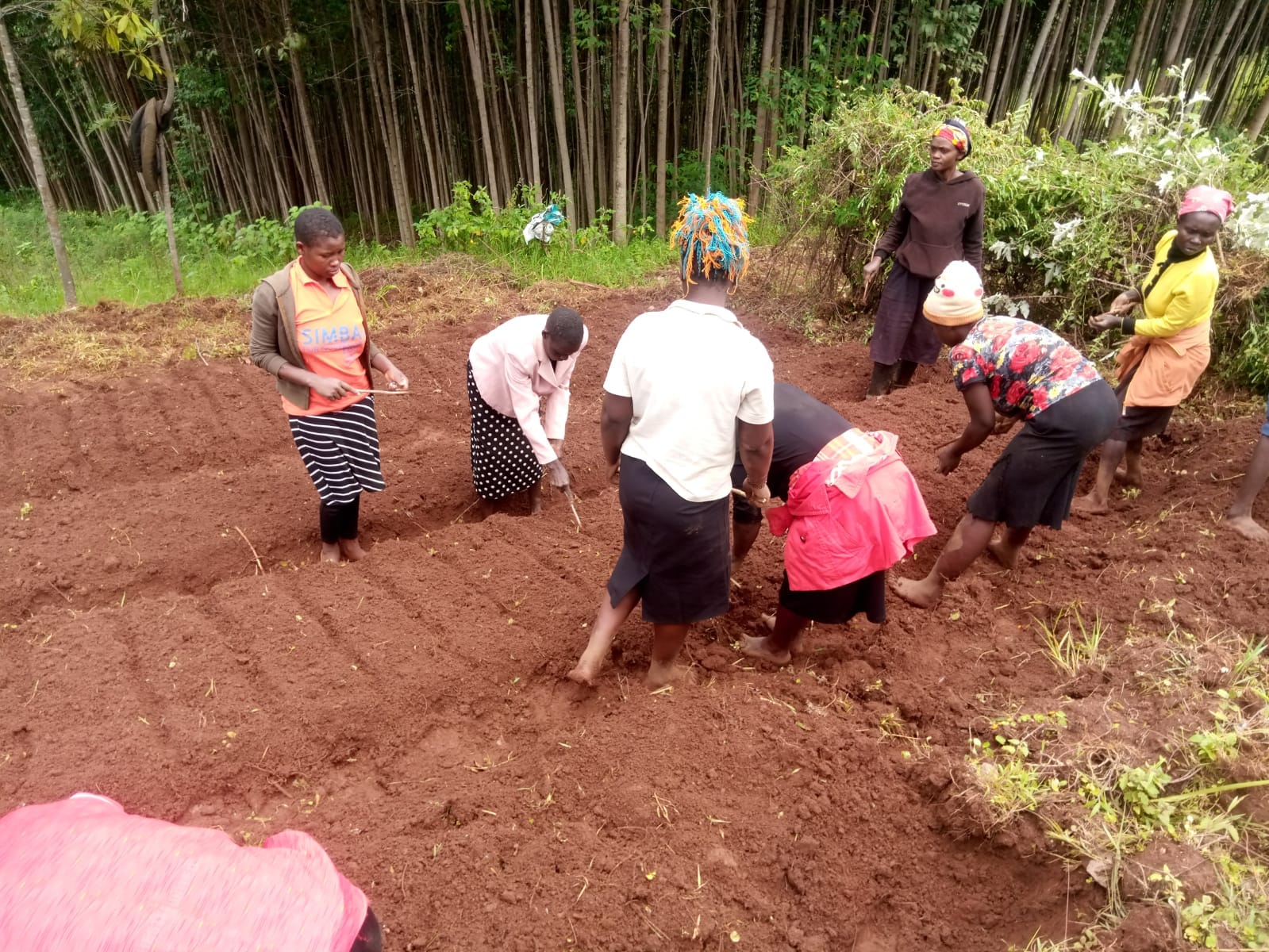
In the face of a changing climate, indigenous young women are stepping forward as powerful agents of transformation in agriculture. The image above captures a moment of collective action—young women working together to prepare land, share knowledge, and strengthen their community’s resilience.
For many indigenous communities, agriculture is more than a livelihood; it is a way of life deeply connected to culture, identity, and the environment. Young women, in particular, are blending traditional farming knowledge with climate-smart agricultural practices such as soil conservation, crop diversification, and sustainable land management. Their hands in the soil represent not just labor, but leadership and innovation.
Despite their critical role, these young women often face systemic challenges, including limited access to land ownership, financial resources, and technical training. Initiatives supported by women’s funds like the Women’s Development Fund (WODEF) are crucial in addressing these gaps—providing capacity-building opportunities, fostering peer learning, and amplifying their voices in climate and agricultural spaces.
What stands out in this moment is the power of collaboration. By working together, these young women are not only improving food security for their households but also contributing to climate resilience at the community level. They are proving that sustainable solutions grow strongest when rooted in local knowledge and driven by those most connected to the land. Supporting indigenous young women in climate-smart agriculture is not just an investment in gender equality—it is a commitment to a more sustainable and resilient future for all.